
Loading...
Serving Biloxi, MS and surrounding areas. (228) 250-0610
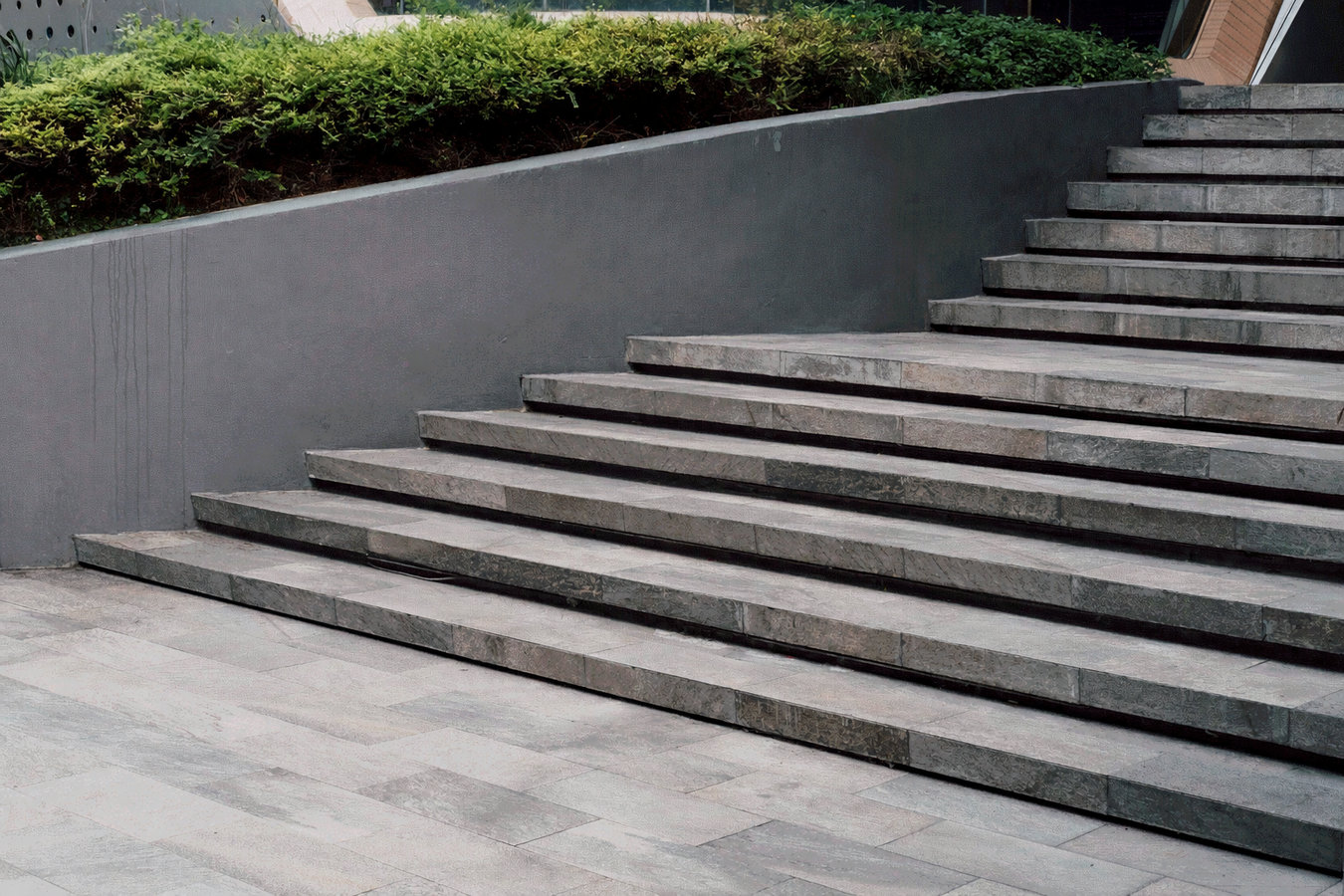
Cracked or tilting steps are a safety hazard in a city that gets heavy rain almost year-round. We build steps on a proper base that hold up in Gulf Coast soil.
Concrete steps construction in Biloxi means pouring a poured-in-place staircase on a compacted gravel base, with a surface textured for grip and properly sloped so water runs off every tread. A standard front entry set of three to five steps typically takes one to two days of active work, plus a curing window before normal use.
A lot of homes in Biloxi were built before 1980, and many of those original concrete steps have reached the end of their useful life. The combination of coastal soil movement, heavy annual rainfall, and decades of sun and humidity takes a toll on concrete that was never sealed or built to current standards. Patching can buy time, but replacement on a properly prepared base is the more reliable outcome for steps that show widespread cracking or tilting.
If your project includes a wider hardscape overhaul, we also handle slab foundation building for homeowners adding structures that need a properly engineered concrete base to start from.
Cracks wider than a hairline - especially ones that run all the way through a step or along the edge - mean the concrete's structural integrity is compromised. In Biloxi's wet climate, water gets into those cracks and the damage accelerates quickly. Cracks that were small last year and are noticeably larger now are a clear sign to act.
Stand at the base and look across the surface. If any step appears to lean forward, backward, or to one side, the ground underneath has shifted. This is a common problem in coastal Mississippi, where sandy or clay-heavy soils move with moisture changes. Uneven steps are a tripping hazard and will only get worse without intervention.
Run your hand firmly across the surface. If small pieces come away, or if it looks like the surface is peeling in thin layers, the top of the concrete has deteriorated. This type of surface breakdown is accelerated by Biloxi's combination of heat, humidity, and frequent rain, and once it starts, it spreads.
If water sits in puddles on the step treads rather than running off the front edge, the slope is wrong - or the surface has worn flat. Standing water is both a slip hazard and the primary cause of long-term concrete damage in a high-rainfall city like Biloxi. This problem is worth fixing before the next storm season.
Every set of steps we build starts with the ground. We break out existing concrete, haul it away, compact the soil, and lay a gravel base before any forming begins. This preparation is the step most low-bid contractors shortcut - and it is the reason steps on a poorly prepared base crack and tilt within a few seasons of Gulf Coast weather. The forming and pour follow: concrete is placed in one continuous operation, the surface is broom-finished for grip, and the forms are left in place while the concrete sets.
For broader outdoor projects, our concrete sidewalk building work connects steps to the driveway or street with the same drainage and base preparation standards. We also handle slab foundation building when homeowners are adding a structure that needs a new concrete base alongside the step work.
Suits homeowners replacing a failing set of entry steps with a functional, code-compliant concrete staircase built to handle Biloxi's rainfall and soil conditions.
Suits homeowners who want a broader, more welcoming entry or back door approach where standard-width steps would look out of proportion with the home.
Suits homeowners who want the durability of poured concrete with a textured or patterned surface that complements the look of the home's exterior.
Suits homeowners who need a handrail - whether required by code or added for safety - where the concrete is formed with anchor points for a clean, secure installation.
Biloxi averages around 65 inches of rain per year, and the city sits in a region that sees tropical storms and occasional hurricane-related flooding. Steps that are not sloped correctly or sealed after the pour will collect standing water, which works into small surface cracks, expands, and breaks the concrete apart over time. This makes drainage slope and surface sealing more important here than in drier parts of the country. Gulf Coast summers also mean concrete needs to be poured in the early morning - experienced local contractors know this, but it is worth asking about hot-weather practices before you hire anyone.
The soil is the other major factor. Near the shoreline, Biloxi soil tends to be sandy and loose. Farther inland, expansive clay is common - and both conditions cause the ground beneath steps to move with moisture changes. Homeowners in Long Beach and Pass Christian deal with the same soil dynamics, and the base preparation approach we use in Biloxi applies across the western Gulf Coast. A compacted gravel base underneath your steps is not optional here - it is what separates steps that stay level for decades from ones you are calling someone about again in five years.
We reply within one business day. We will ask how many steps you have, whether you want repair or replacement, and whether a handrail is involved - then schedule a site visit before giving you a firm price. No phone guesses on a job like this.
You receive a written estimate covering labor, materials, demolition, and debris removal. If a permit is required through the City of Biloxi, we pull it before starting work - this typically adds a few days to the timeline before physical work begins.
We break out and haul away old concrete, then compact the soil and lay a gravel base. This prep stage is usually completed in a single day and is the most important factor in how long your new steps will last.
We form, pour, and broom-finish the steps in one operation. You can walk on them carefully after 24 to 48 hours. Full strength takes about a month - we give you clear instructions before we leave so there are no surprises about what to avoid during that window.
Free written estimate. We come to your property, assess the existing steps and soil, and give you a clear price before any work begins - no obligation.
(228) 250-0610Coastal Mississippi soil shifts with moisture, and steps that are not built on a compacted gravel base will crack and tilt within a few years. We never skip this step, because we know what Biloxi soil does over time. That preparation is what makes the difference between steps that last 30 years and steps you are replacing again in five.
Biloxi gets rain almost year-round. We finish every set of steps with a broom texture that gives solid footing even when the surface is soaked. A smooth finish looks clean when dry but becomes a hazard in the rain - and in a city that averages 65 inches of rainfall, that is not a tradeoff worth making.
We pull required permits through the City of Biloxi and coordinate the inspection on your behalf. Work that passes inspection the first time means no open permits on your home - which matters if you ever sell or refinance. The City of Biloxi Building Department handles permits for this type of exterior structural work.
We tell you honestly whether your existing steps can be patched or whether full replacement is the better investment. We will not push replacement if a patch makes sense, and we will not sell you a patch that is just delaying a bigger job. For Gulf Coast conditions and Biloxi's older housing stock, that honest conversation matters.
These points all come back to the same thing: steps that are safe, solid, and built to handle Gulf Coast conditions without needing constant attention. That is what we aim for on every project we take on in Biloxi and the surrounding area.
When your project requires a new concrete base for an addition or structure, we engineer slab foundations built to handle coastal soil and flood zone requirements.
Learn MoreConnect your new steps to the driveway or street with a poured concrete sidewalk built to the same drainage and base preparation standards.
Learn MoreStorm season does not wait - schedule your free site visit now and get your steps replaced before the next heavy rain puts them under more stress.